
RUGBY SPORTS WHEELCHAIRS
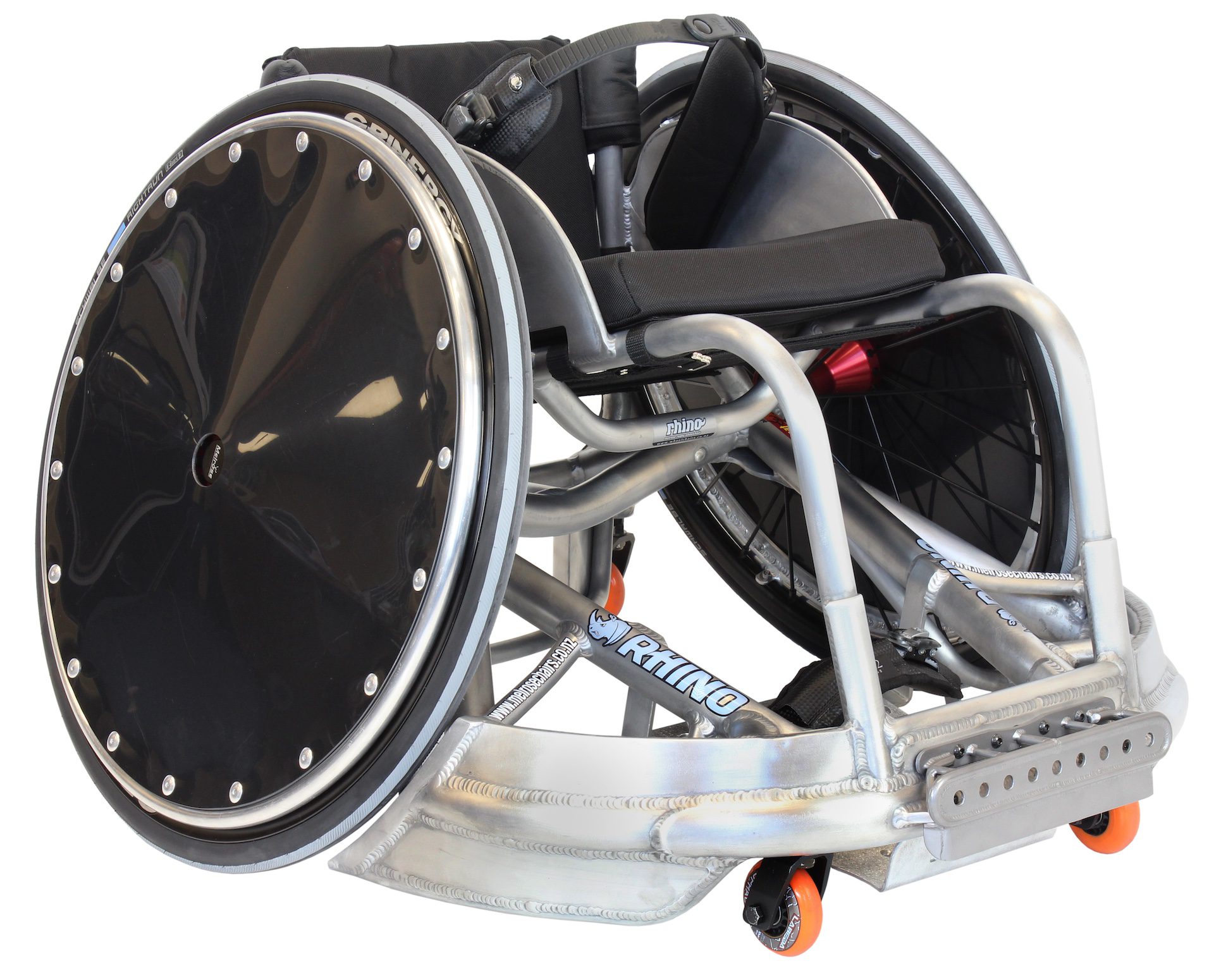
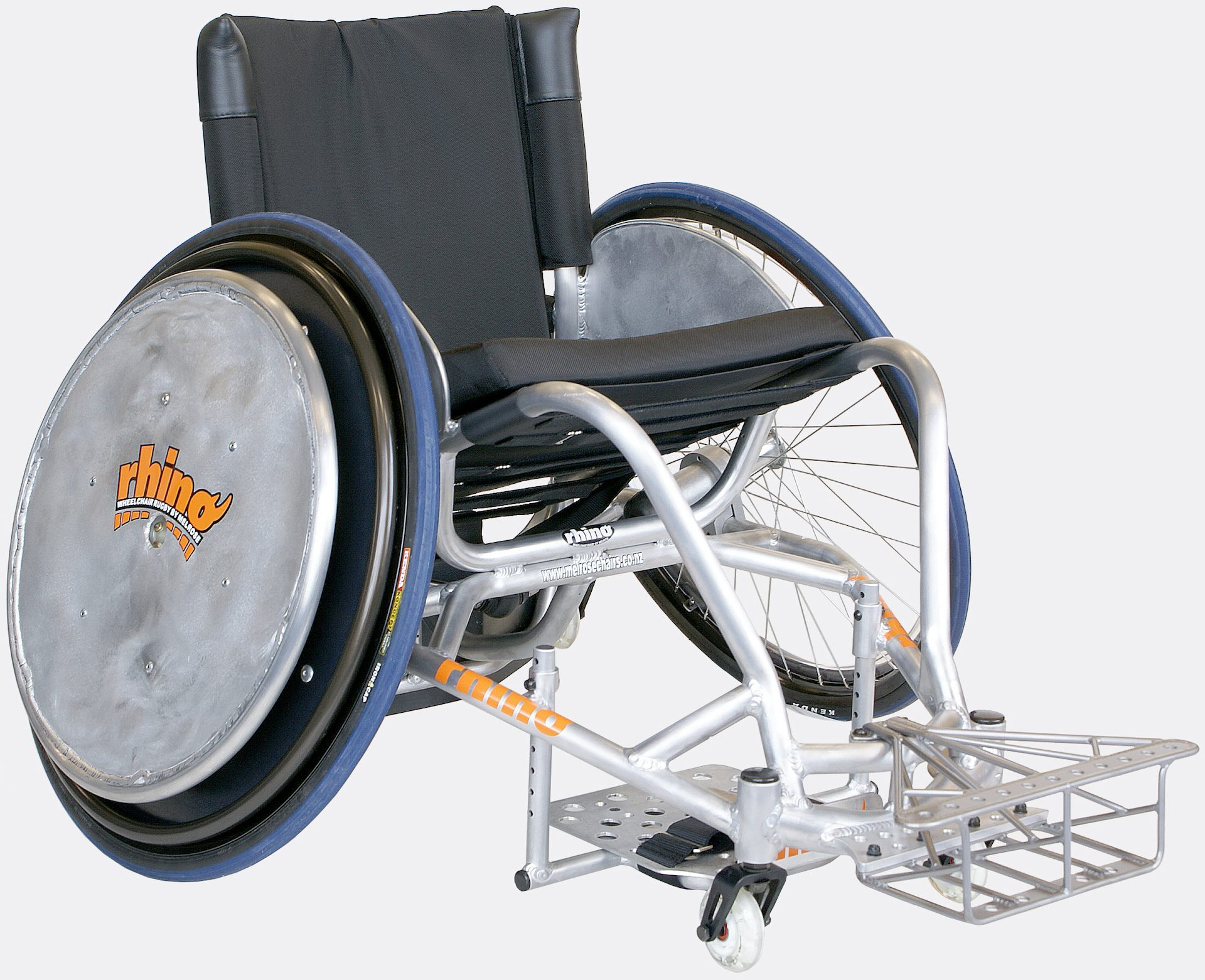
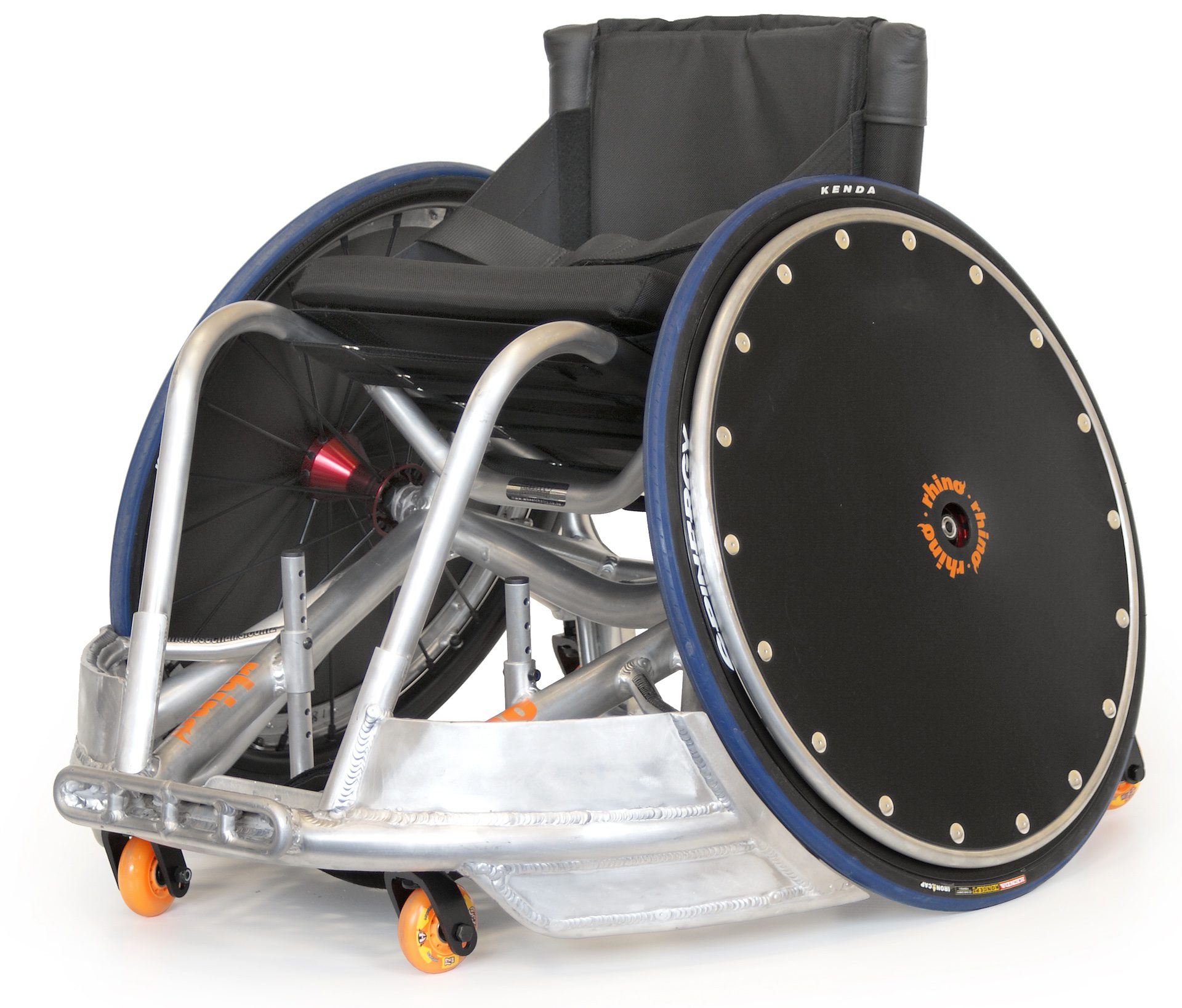
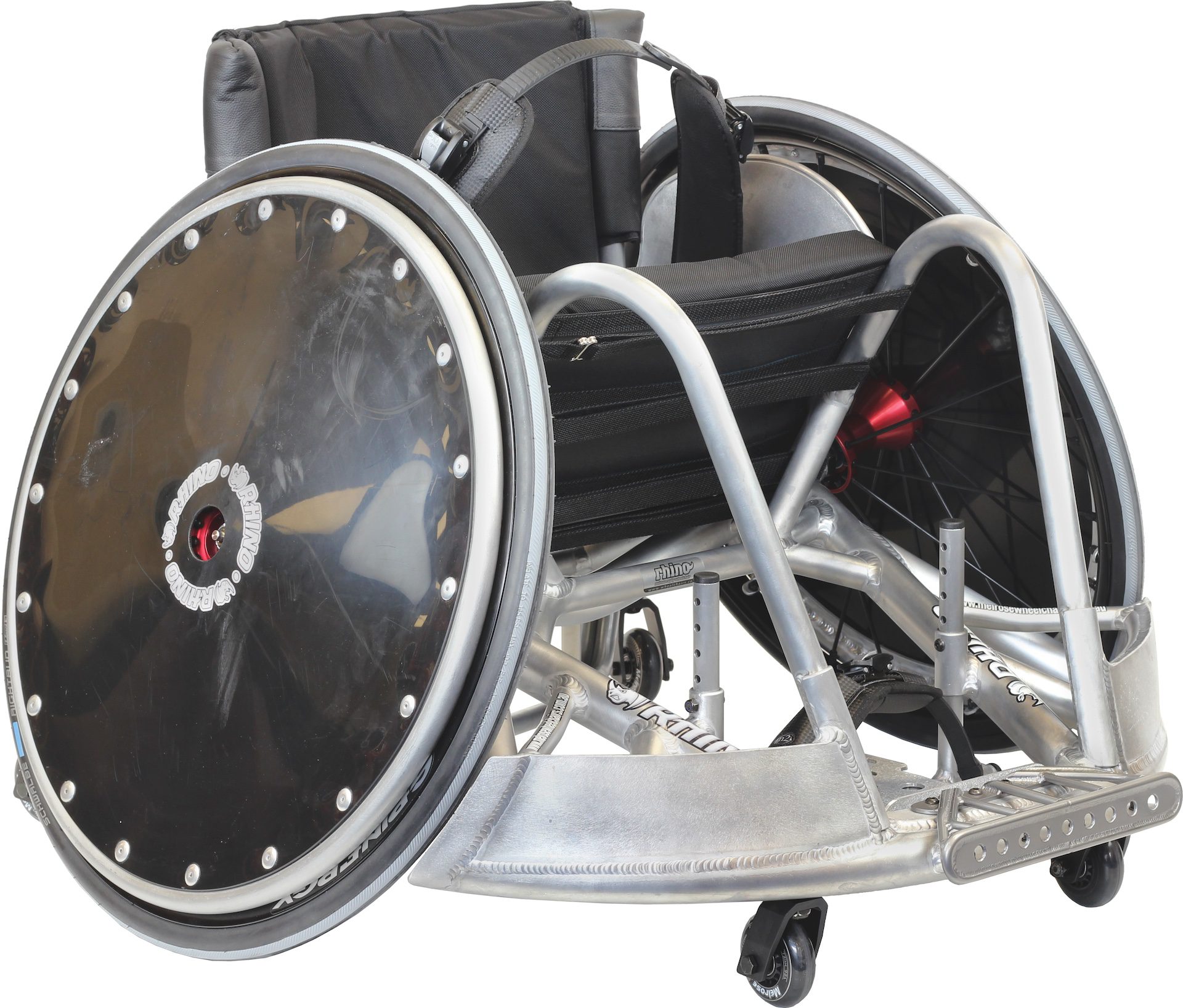
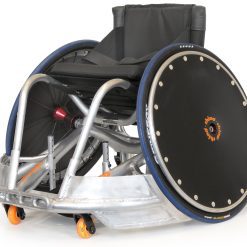
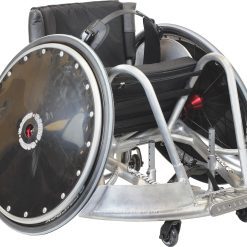
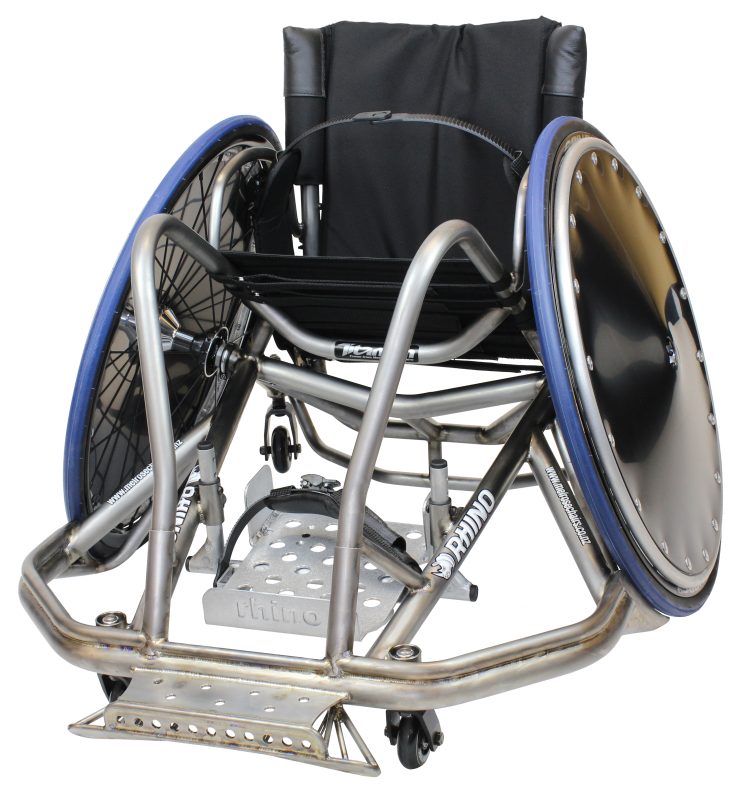
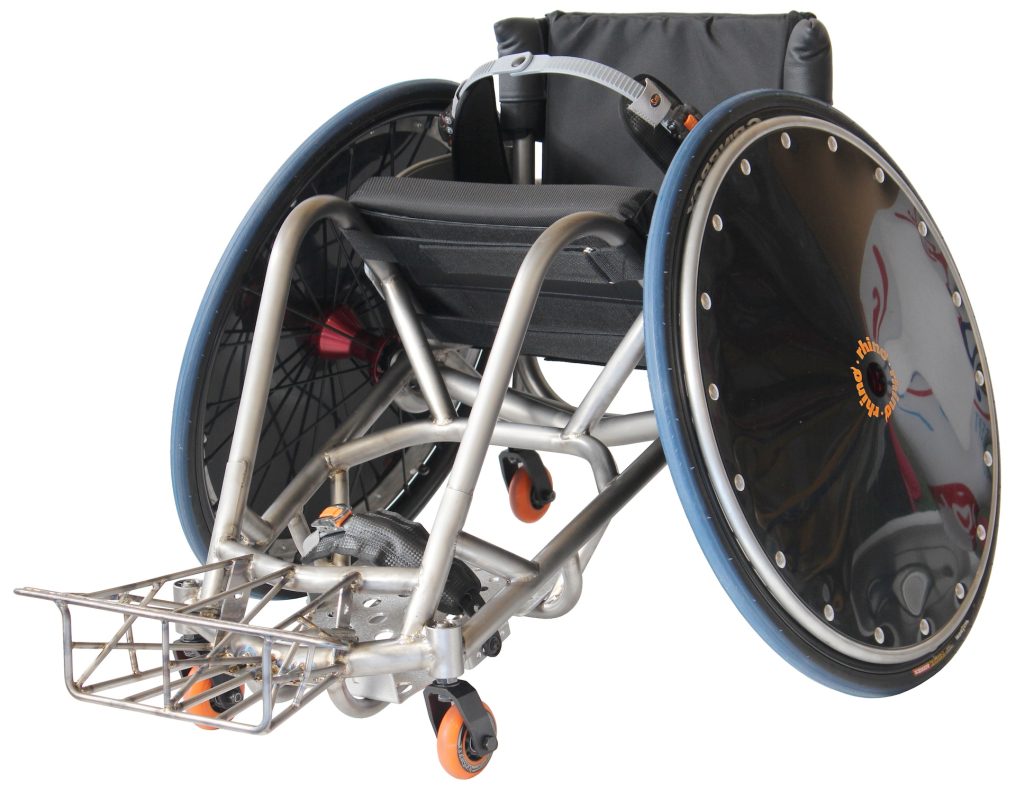
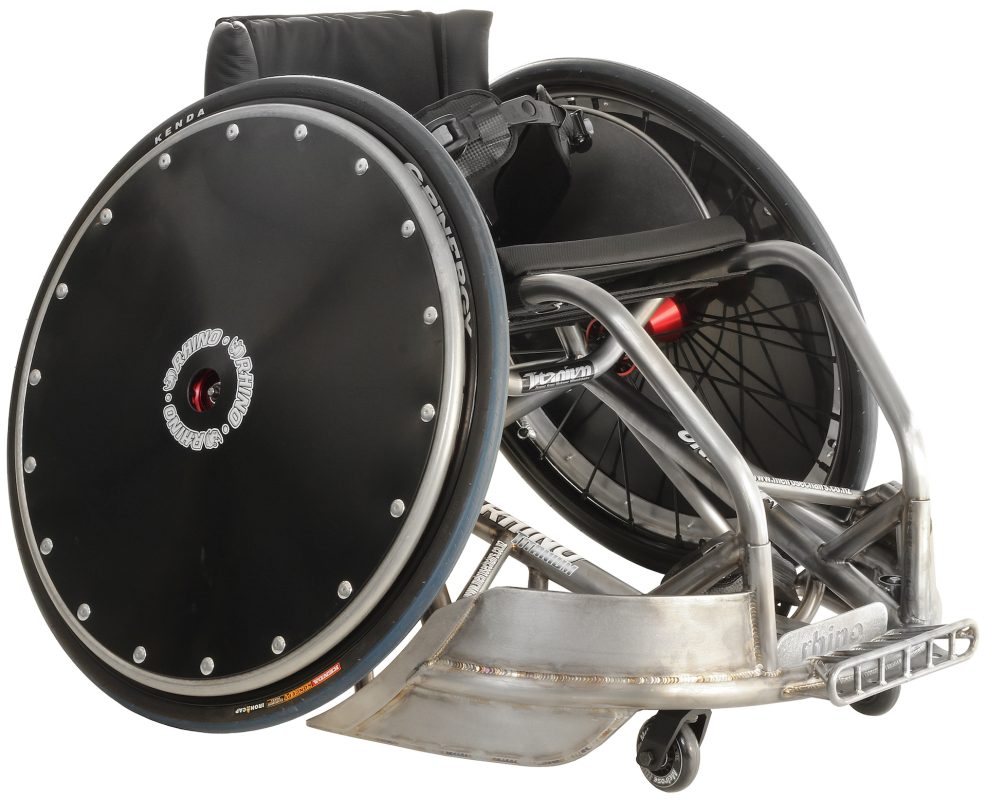
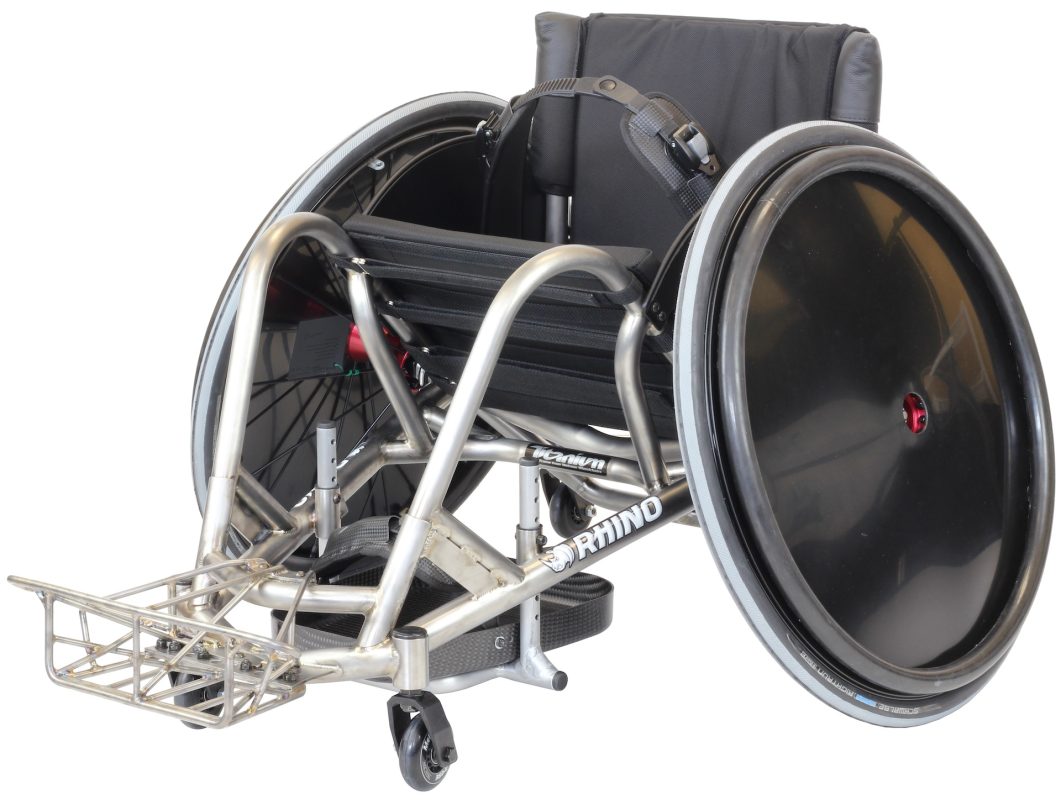
Melrose Rhino Rugby Wheelchairs are built to withstand the high impact and aggressive nature of Wheelchair Rugby. The Rhino is one of the World’s best Rugby Wheelchairs. All our Rugby Wheelchairs are built by highly experienced fabricators who are working for a company that has over 20 years involvement in the sport.
“Want to be the best athlete in your game a Melrose Rhino will help you achieve this.”
We use the highest quality materials and components to build our wheelchairs, many of the components are built in-house by our team of qualified engineers using the latest CNC technology.Offensive chairs with various wing alternatives or defensive chairs with variations of pickbars can be built – you can view these and many other options below.Standard Specifications
- Offensive or Defensive chair
- Choice of pick bar styles in alloy
- Fixed camber bar between 12° and 20°
- Cross spoked wheels 24” with high pressure tyres
- Hard anodised pushrims and quick release axles
- Rollerblade castors
- Adjustable height alloy tube footplate
- Adjustable height back
- Adjustable tension seat sling with height adjustable back upholstery
- Holes for bindings
Options and Accessories
- Individual designs for wings can be accommodated – double, single and/or inverted
- Tapered seat width and back
- Adjustable tension back upholstery
- Heat Treated Frame
- Ergonomically designed seating system – Ergo Seat
- Anti-tips with alloy or plastic plating protection
- ABS or alloy footplate fixed or fully adjustable
- Offensive or defensive style steel bolt on pick bar
- Spinergy wheels – 24”, 25” or 26”
- Various spoke guard designs:
- – Polycarb offensive and defensive
- – Polyethylene offensive
- – Polyethylene / red rubber defensive
- – Alloy spoke guards
- Red or black rubber coated pushrims. Oversize pushrims with 6 or 12 tape
- Hip strap, leg strap, foot strap
- Back bar cover, cushions 1” 2” 3” or 4”
- Fabric, Alloy or ABS side guards
- Wheel bag to accommodate (two or four) 24”, 25” or 26” wheels
FEATURES – We provide a wide array of Usable & Flexible Features
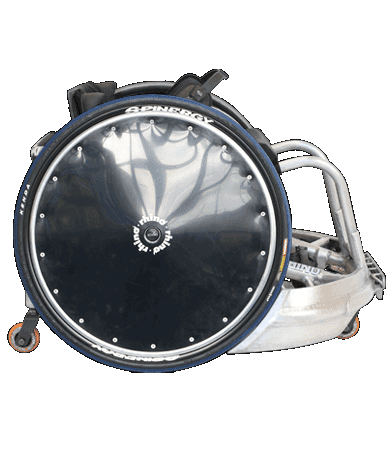
SEATING DIMENSIONS – We all sit differently, we all push differently, precise fabrication to your measurements ensure comfort and efficient propelling.
PICK BAR STYLES – Our pick bar styles have been developed over 20 years by our clients, or design your own – we can build them.
DIFFERENT WING TYPES – Don’t want to be “picked”, then use wings – Melrose builds you wings™.
WHEEL & CASTOR CHOICES – We can build your Rhino to suit Delfi, Meyra or Spinergy wheels, our castors are 92a hardness and come in two sizes.
RESTRAINT SYSTEMS – Velcro straps in different widths and lengths or ratchet straps for seriously secure immobilisation.
HEAT TREATED FRAME – Our aluminium frames can be treated to remove residual stress and impart strength.
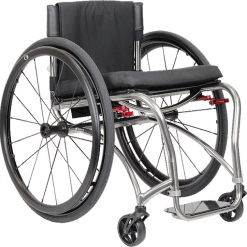
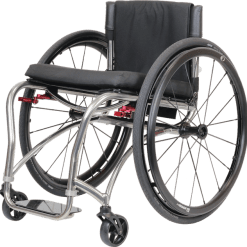
TITANIUM OPTIONS
Light and Strong – The top 2 things you need.
We had been previously testing Titanium fabrication for weld retention during impact by creating Titanium pickbars and testing them on existing aluminium frames – results can best be described as spectacular. Fast forward several years and with further development we now build lo point Titanium rugby wheelchairs.
Although Titanium is twice as heavy as Aluminium, Titanium’s high modulus (stiffness) allows for much thinner sidewalls in the tubing that is used – this means much less metal is used in the frame compared to an Aluminium frame. The thinner sidewalls along with the higher melting temperature means that skilled fabricators require longer build periods. This increases the cost of a Titanium sports chair – a new Titanium defensive rugby chair for example would be twice the cost of an Aluminium rugby chair.
Contact us – we can answer all your rugby wheelchair questions and help you script your new Titanium rugby wheelchair.
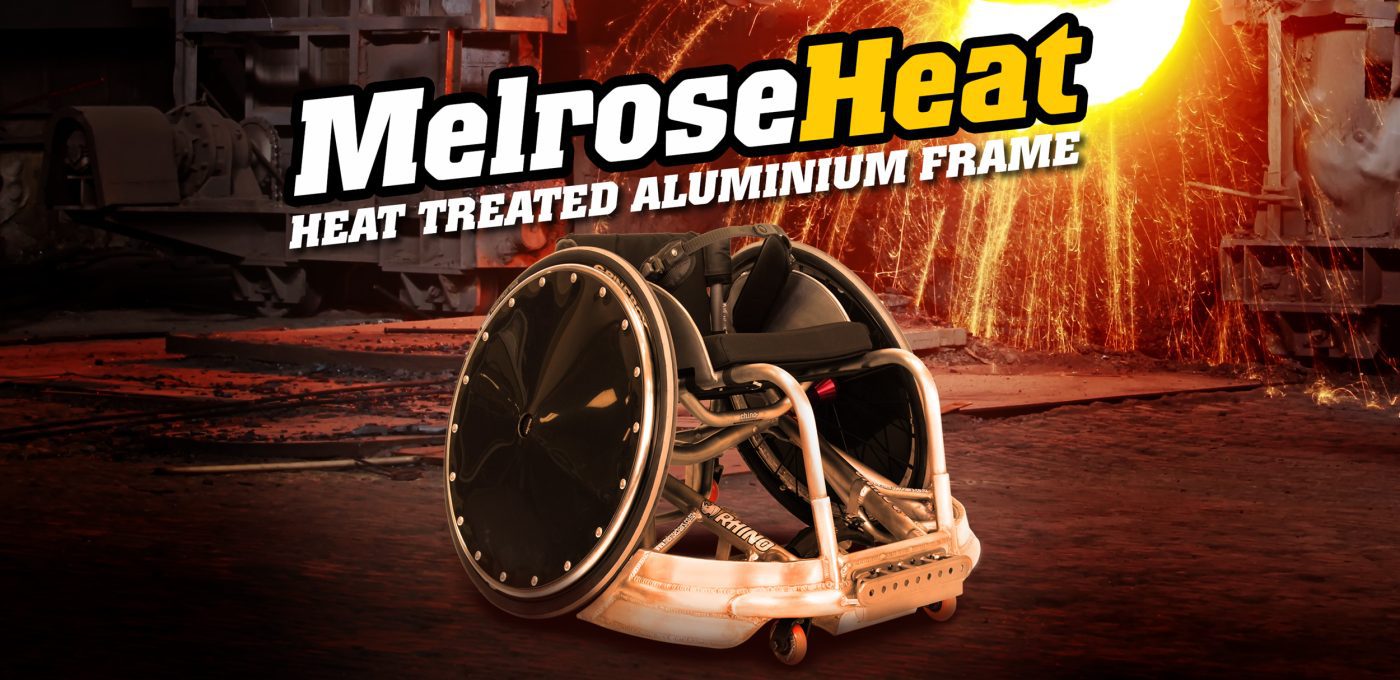
HEAT TREATED FRAMES – We heat treat your Aluminium Rhino frame using a solution annealing process.
The Rhino frame is first attached to a jig frame to prevent deformation during the procedure, its then placed in an oven and heated above its upper critical temperature to 430-540°C, at which point the alloying constituents are taken into solution (i.e., brought near their melting point), this removes residual stress from the welded and bent parts.
Its then quickly cooled (quenched) in a water – polymer based solution. After its cooled it is measured and adjusted for tolerances and then placed in the oven again to temper over several hours to impart some toughness.
Although this process removes stress around welds and adds some additional toughness it also adds time to the build so the time and cost are increased.
Related products